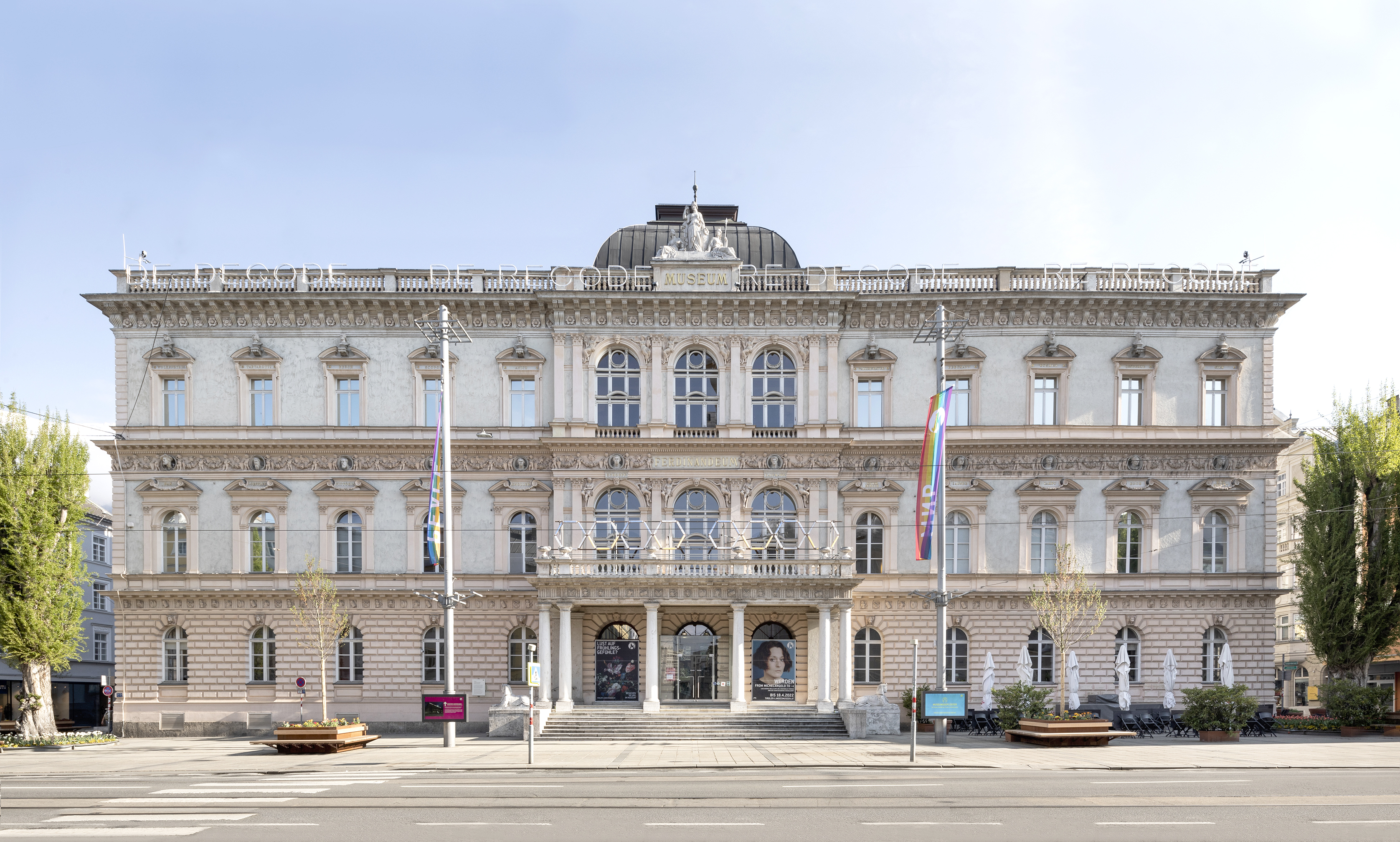
Tiroler Landesmuseum Ferdinandeum
- Location
- 6020 Innsbruck, Tyrol
- Description
The Tyrolean State Museum Ferdinandeum offers an artistic journey through 30,000 years.
- Accessibility
- Reduced admission
The Tyrolean State Museum Ferdinandeum offers an artistic journey through 30,000 years.
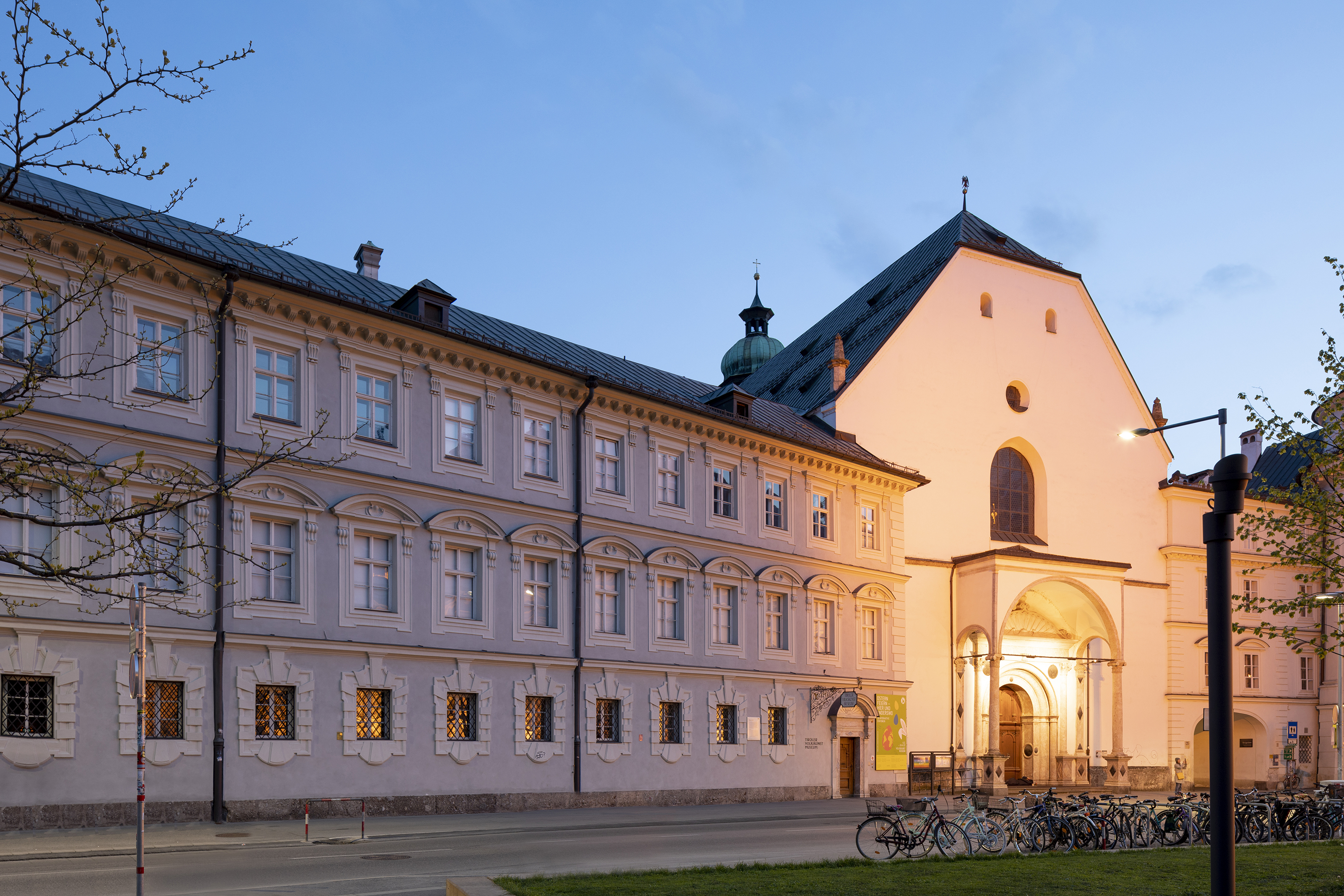
The Tyrolean Folk Art Museum is a cultural studies museum with an extensive collection from the European region of Tyrol, South Tyrol and Trentino and focuses on pre-modern worlds of thought and historical realities of life.
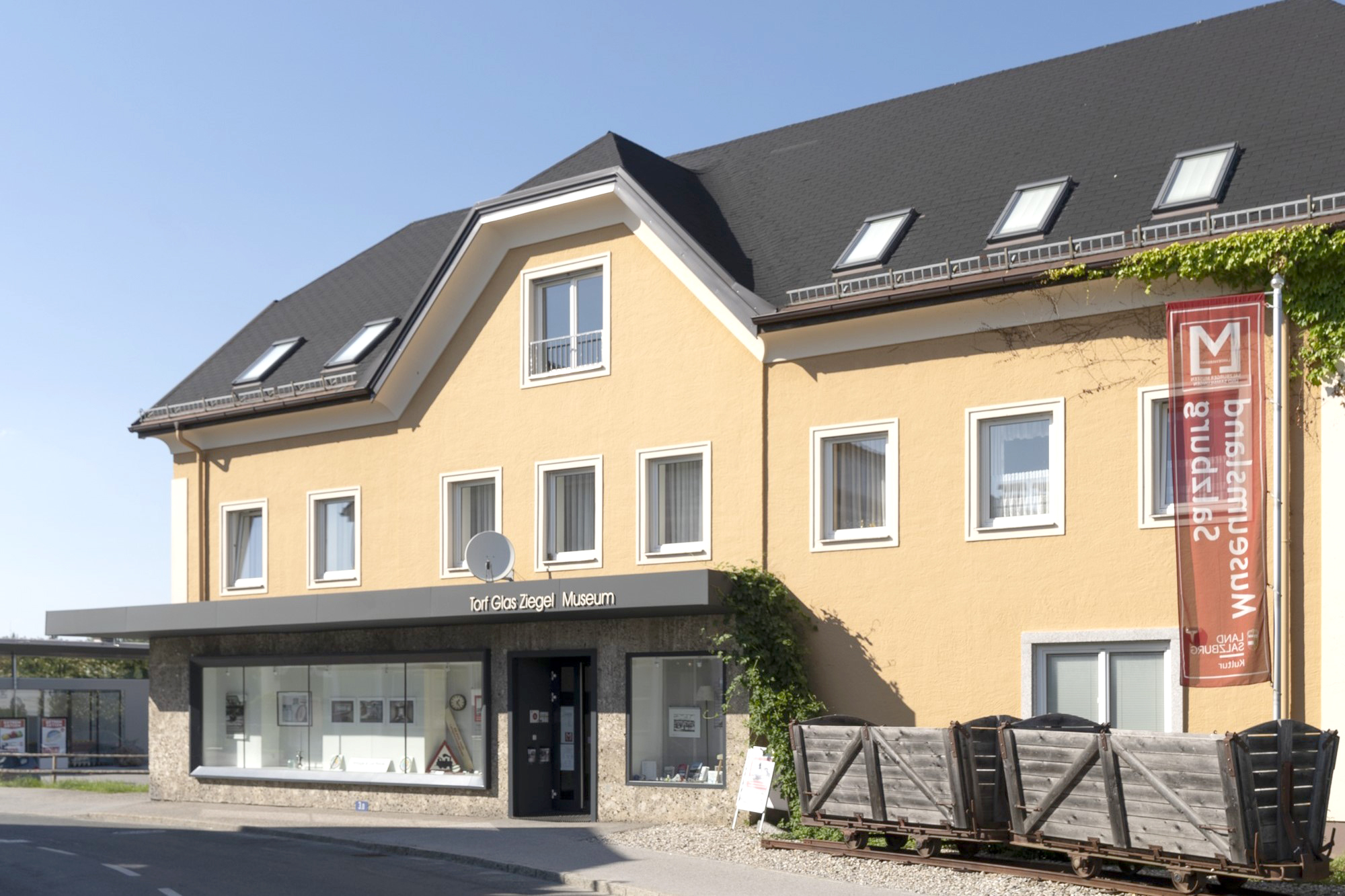
The history of the peat, glass and brick industries, which led to the founding of the town, is the focus of the museum, which is housed in the second oldest surviving building in the town, the former ironworks department store.
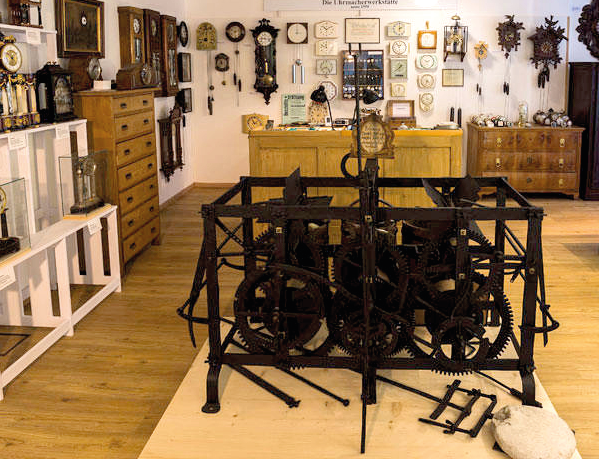
The first craft museum of its kind in Upper Austria offers insights into the craftsmanship of the old masters and into the function and technology of historical timepieces in a 60-year-old watchmaker's workshop.
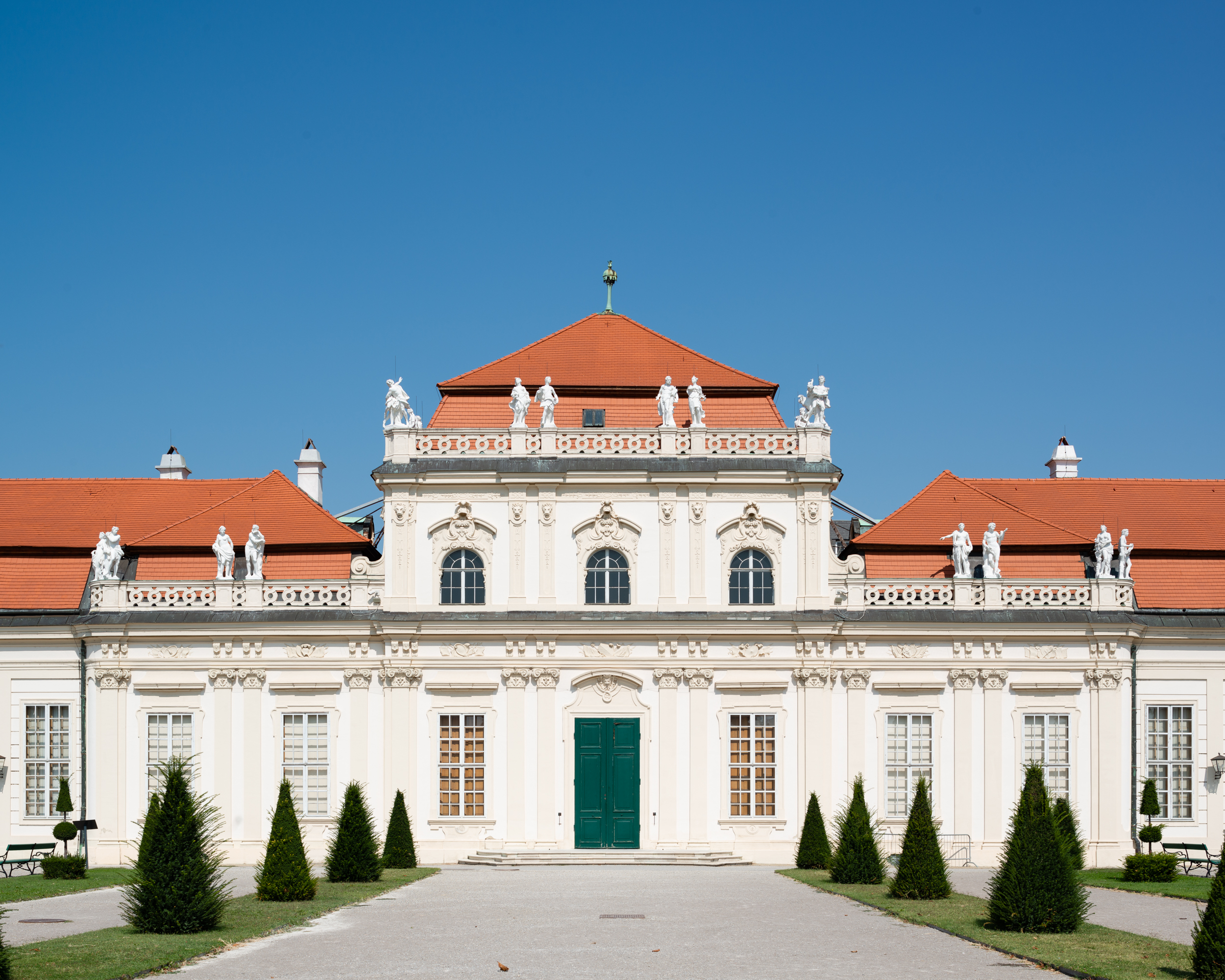
The Lower Belvedere is the former residence of Prince Eugene.

In the world's only museum for meaning and existential questions, the encouraging message of Viktor E.'s theory of meaning is presented.
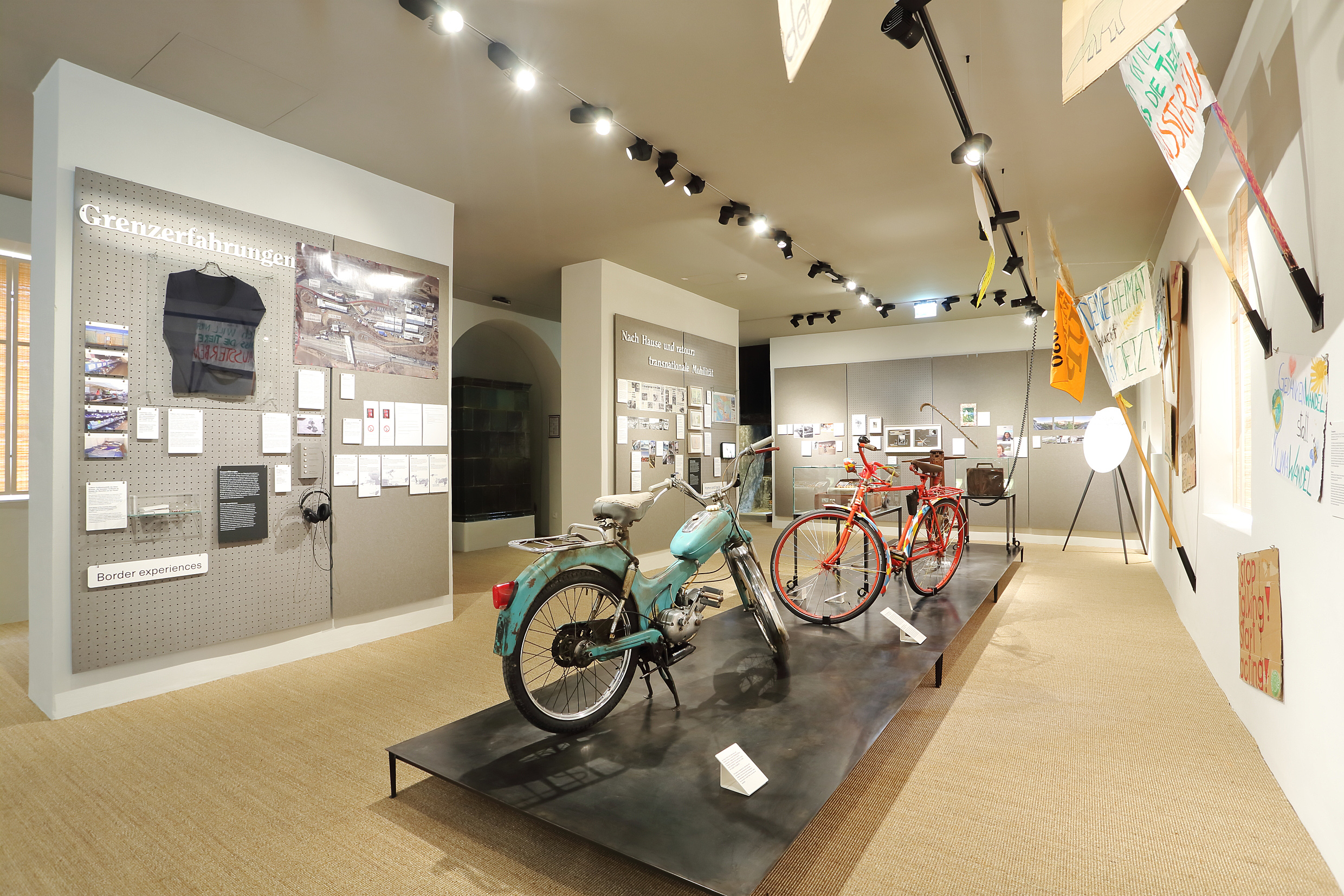
The new Folklore Museum at the Paulustor in Graz tells of different living environments and social and cultural change.
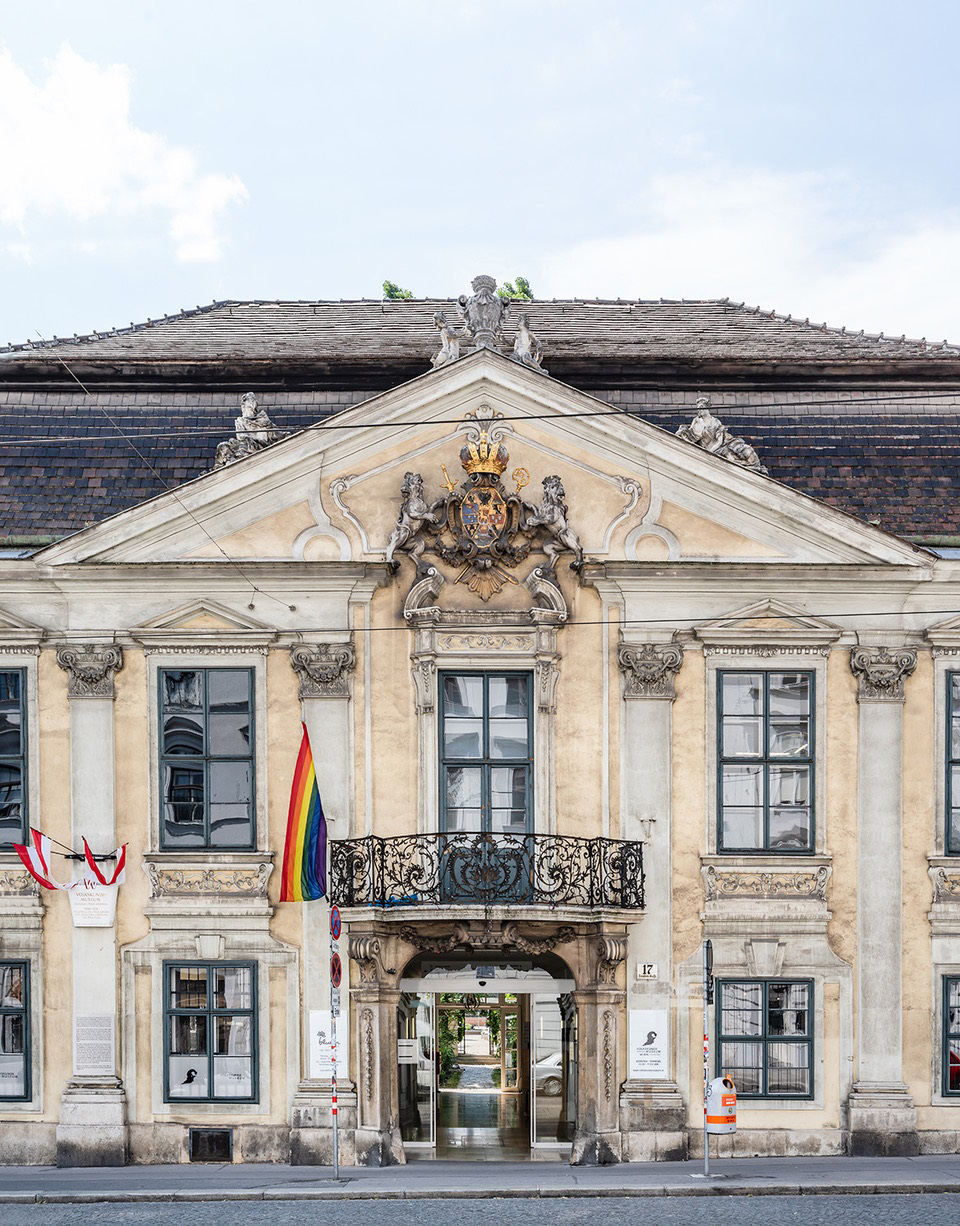
The Folklore Museum will be closed from October 2024 to June 2026 due to a general renovation of the museum building.
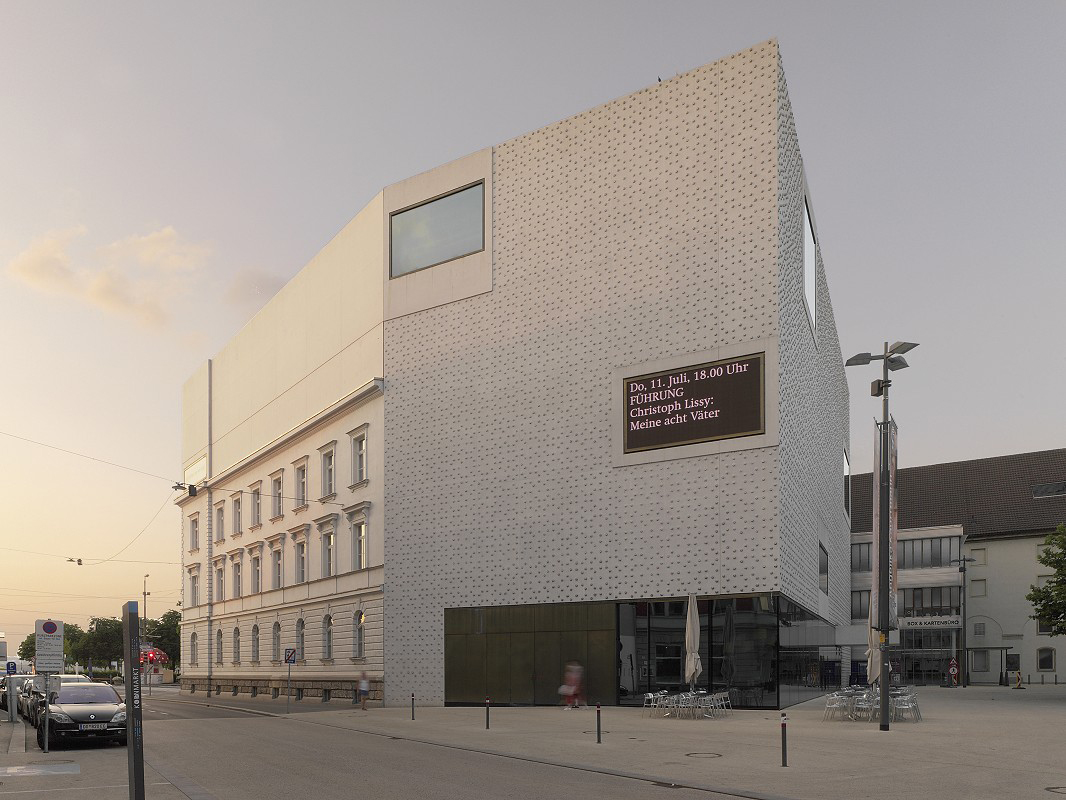
How can the state of Vorarlberg be packed into a museum? The exhibitions tell stories: about the Romans, the land and people of the Bregenzerwald, and the fascination of brass music.
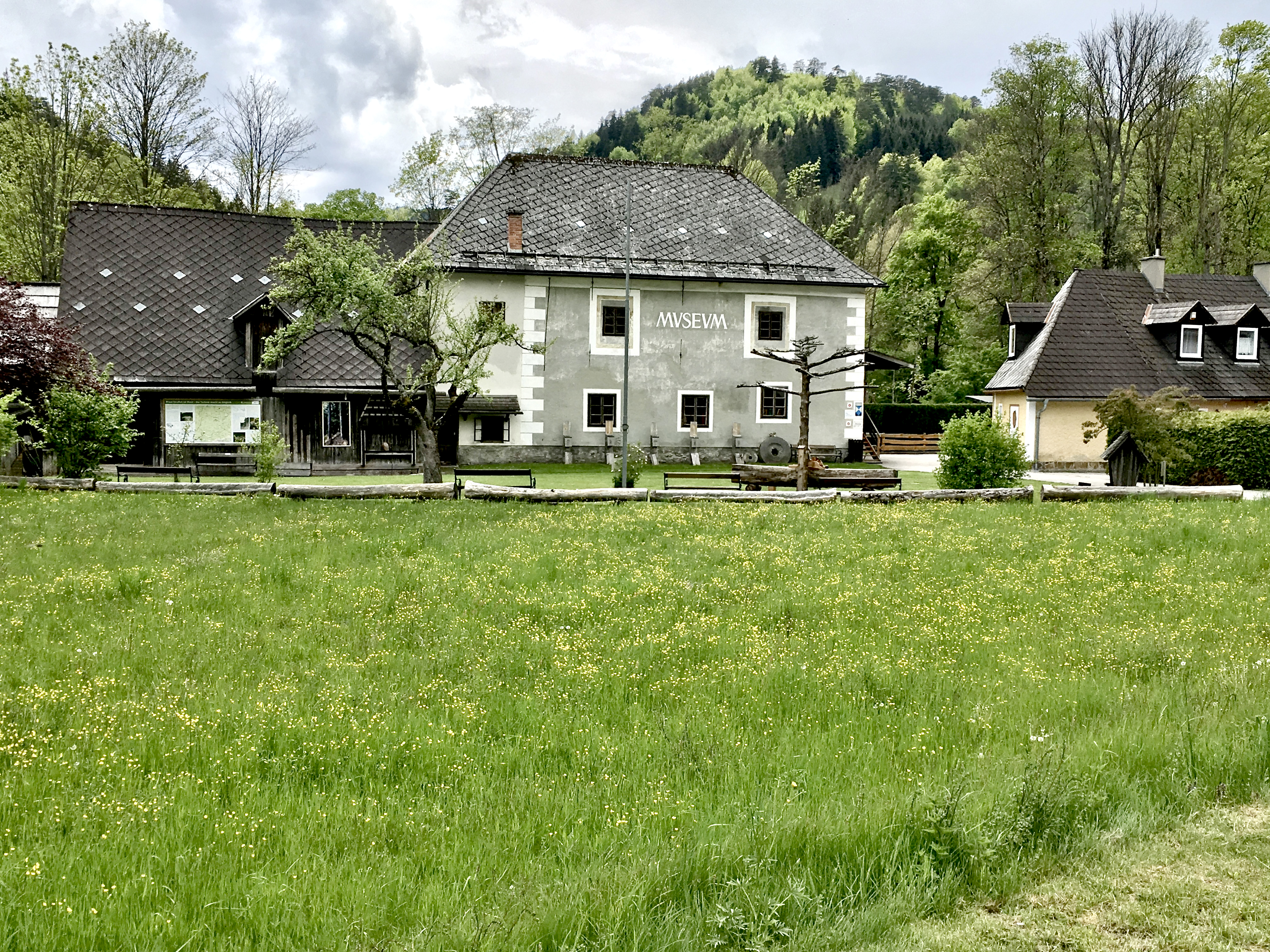
An old farm mill, built in 1576, serves as the site of the Forest Farmers' Museum, where the history of forest farmers and their ancillary businesses is told.
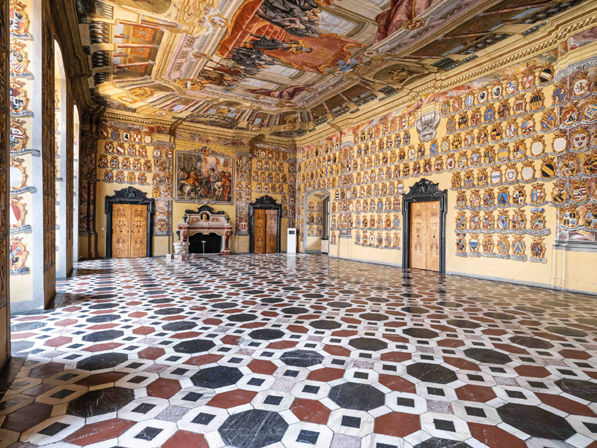
Immerse yourself in the history and politics of Carinthia in the Klagenfurt Landhaus and learn more about the Great and Small Coat of Arms Hall, the State Parliament Assembly Hall and the Kolig Hall.
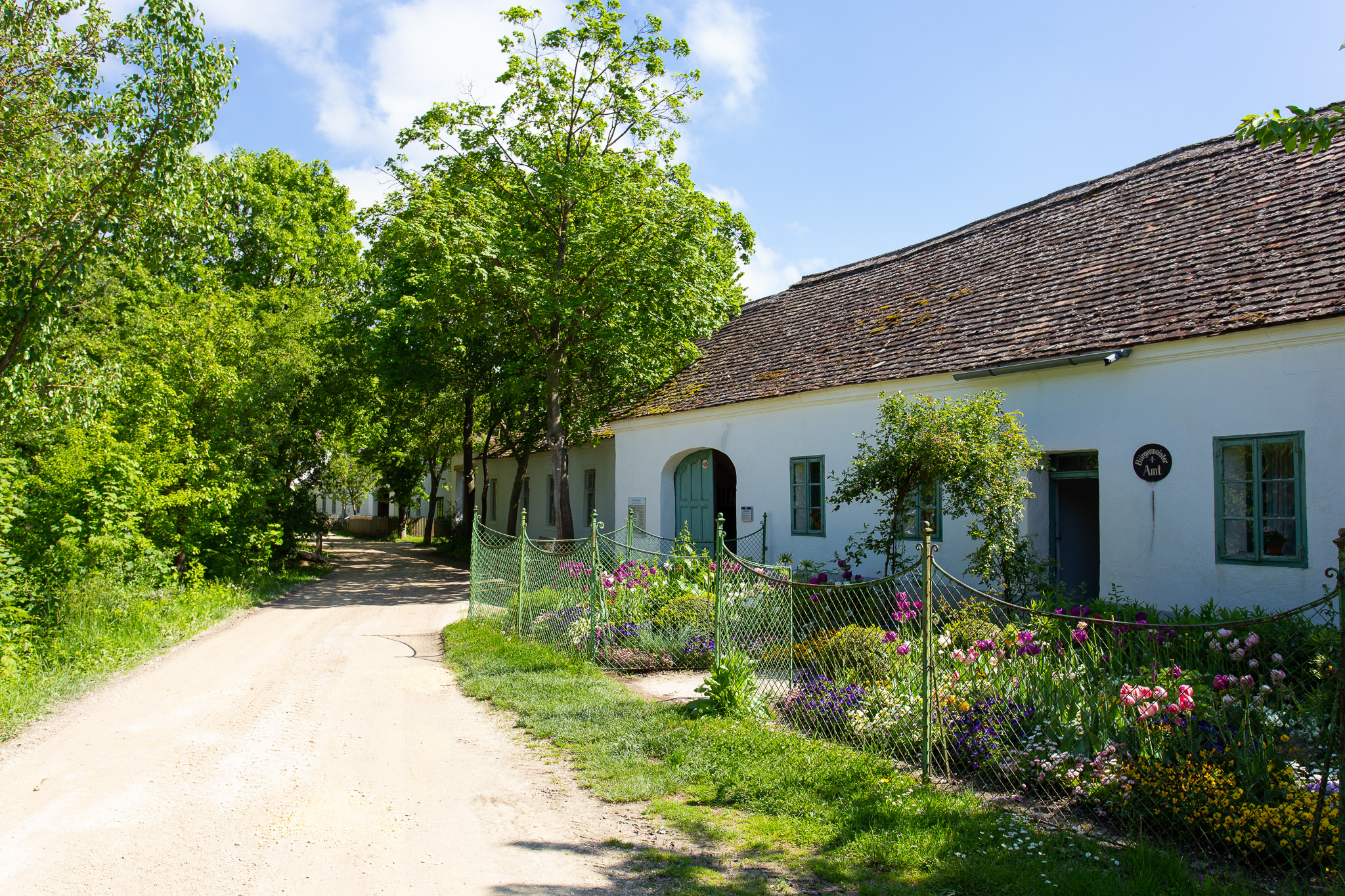
In the Weinviertel Museum Village Niedersulz you can immerse yourself in the everyday life of a Weinviertel village around 1900.