This Zero Project Awardee demonstrates how accessibility functions not as an add-on, but as a creative foundation for cultural experiences.
The Sencity Festival was organized by the Dutch NGO Stichting Possibilize Developed and designed by and with people with hearing impairments since 2003. The goal is to make music not only audible, but also accessible. visible, tangible, odorous and even gustatory to make this happen. In doing so, Sencity creates a concert experience that includes deaf, hard-of-hearing and hearing people alike.
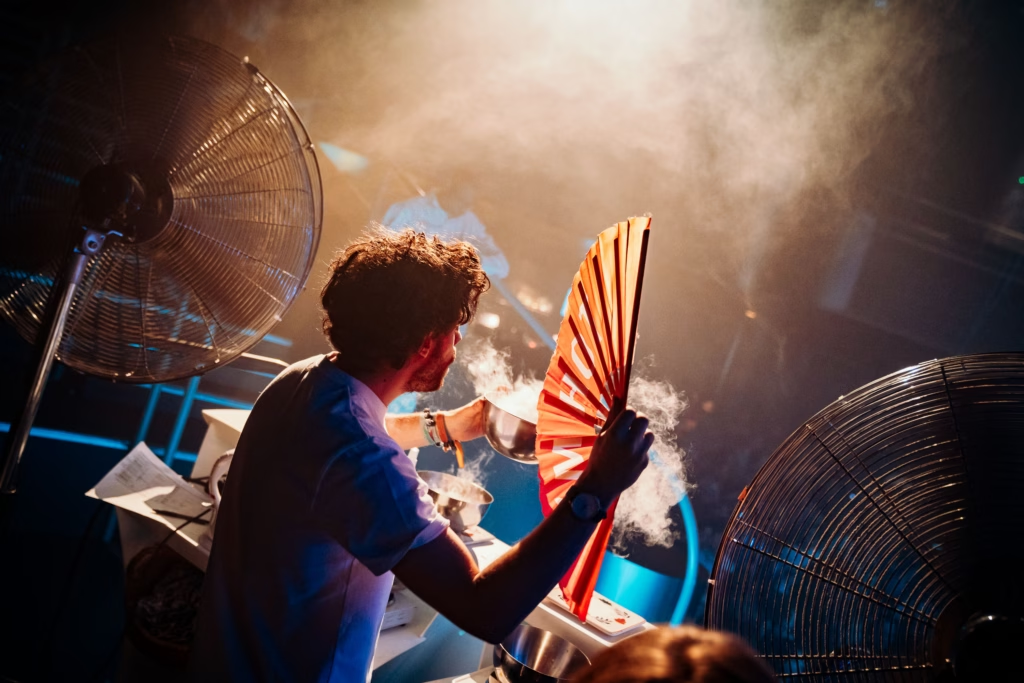
Instead of making isolated adjustments, every event is conceived from the outset as a multisensory experience. Songs are interpreted through sign language, facial expressions, and movement, while so-called "sensory choreographies" translate sound into light sequences, vibrating floors, digital wind, scent compositions, and taste experiences. An "aroma jockey" is as much a part of the team as deaf artists on and behind the stage.
The innovation lies in Change of perspectiveSencity rethinks culture from the perspective of deaf people and makes this viewpoint a source of inspiration for everyone. "If music can be seen, smelled, felt, and tasted, then everyone belongs," says project manager Isa Vriese.
The impact is international: By 2025, Sencity had been implemented in over 17 countries on five continents. Around 2,000 visitors participated, of whom approximately 1,200 had hearing impairments. In addition, the team offers training, toolkits, and freely accessible podcasts, and advises cultural institutions worldwide.
Three aspects make this project special:
- Design from a Deaf perspective: Deaf people shape content, aesthetics, and management.
- Multisensory innovation: Music is experienced through multiple senses.
- High transferability: The licensing model enables implementations worldwide.
Sencity impressively demonstrates how inclusive culture can become not only more accessible, but also more creative and intense.
Further information here