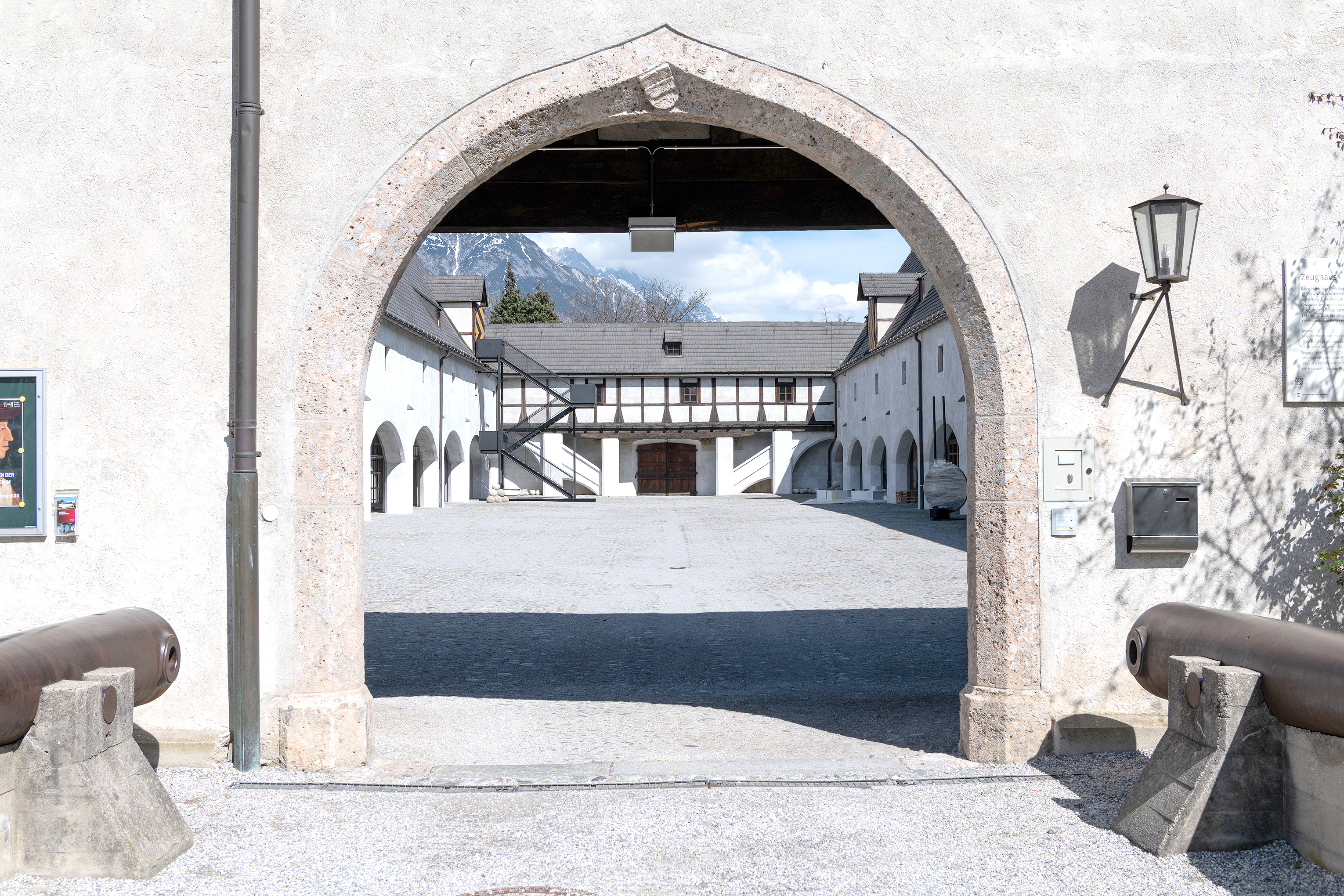
Museum im Zeughaus
- Location
- 6020 Innsbruck, Tyrol
- Description
Where Emperor Maximilian I once stored weapons and ammunition, you can now explore Tyrolean history and stories between past and present.
- Accessibility
- Reduced admission
Where Emperor Maximilian I once stored weapons and ammunition, you can now explore Tyrolean history and stories between past and present.
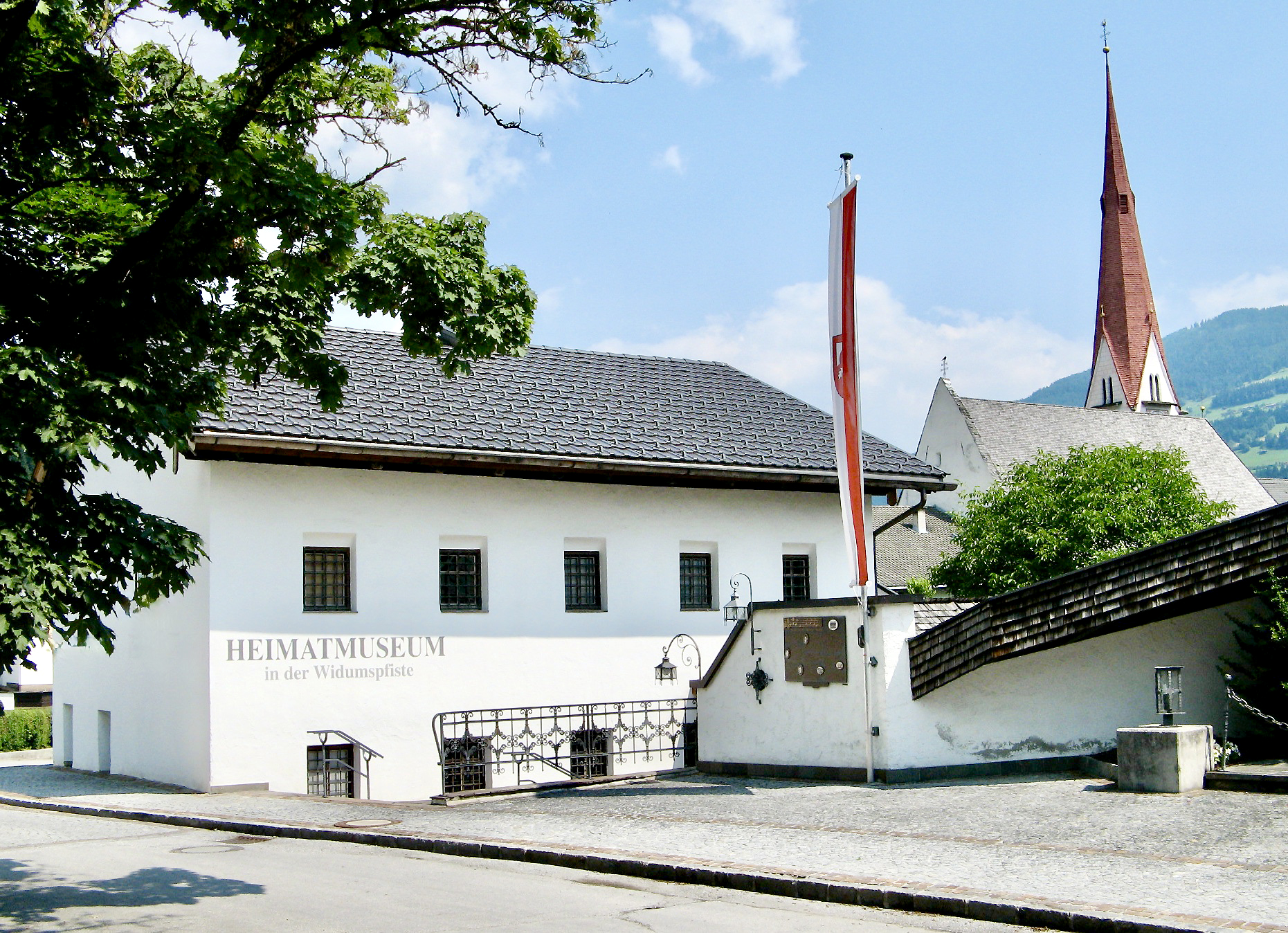
The multi-disciplinary museum tells the story of the spread of the Silent Night song, the Zillertal national singers, traditional associations, mining and the Tux Zillertal cattle.
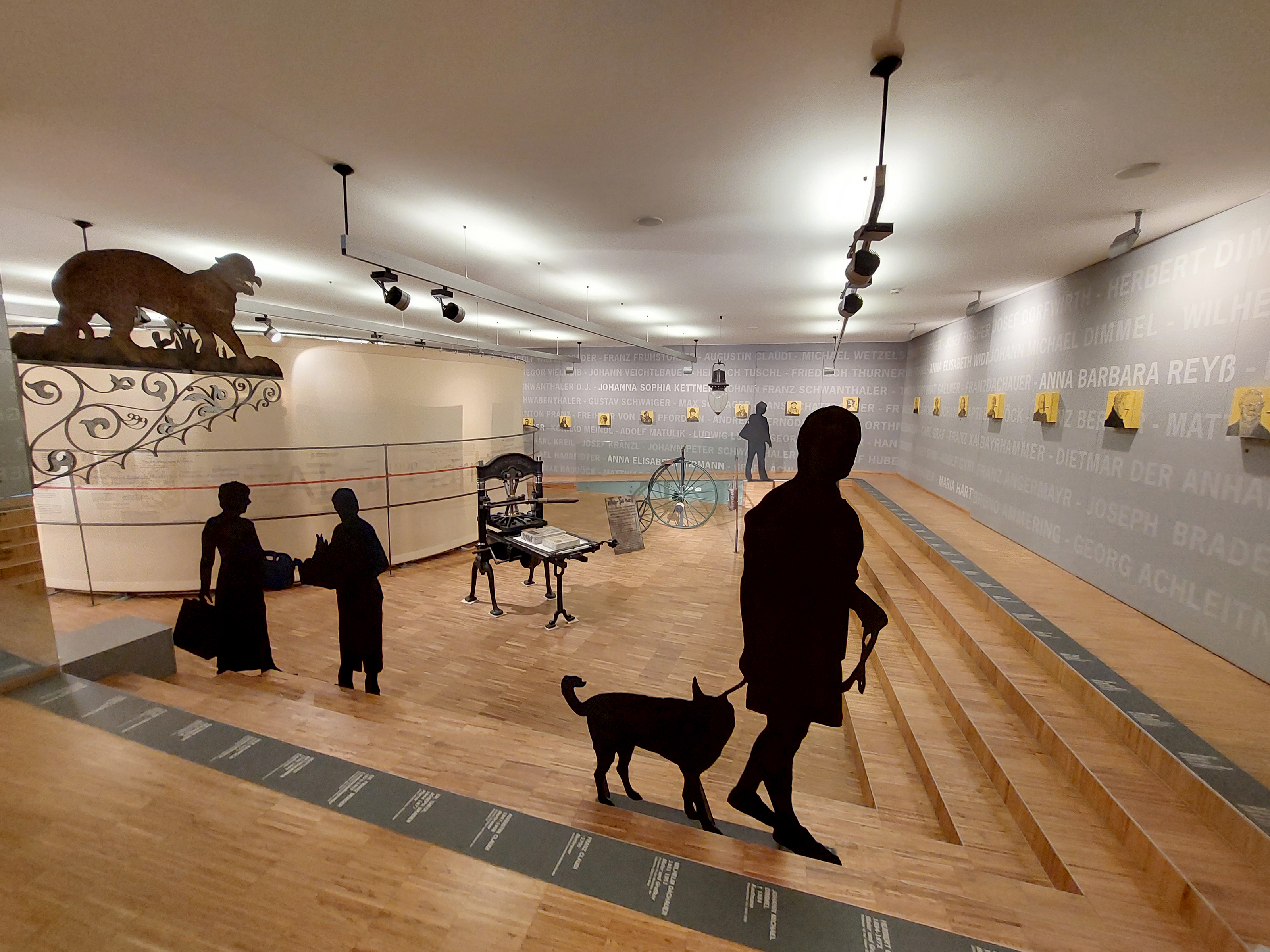
Embark on a journey through time through the history of the town of Ried and the culture of the Innviertel.

In one of Austria's most modern Roman museums, you embark on an exciting and eventful journey of discovery into the world of the legionaries, their history and everyday life.

The Museum of Modern Art Carinthia in Klagenfurt presents itself as a contemporary platform for national and international exhibitions of modern and contemporary art.
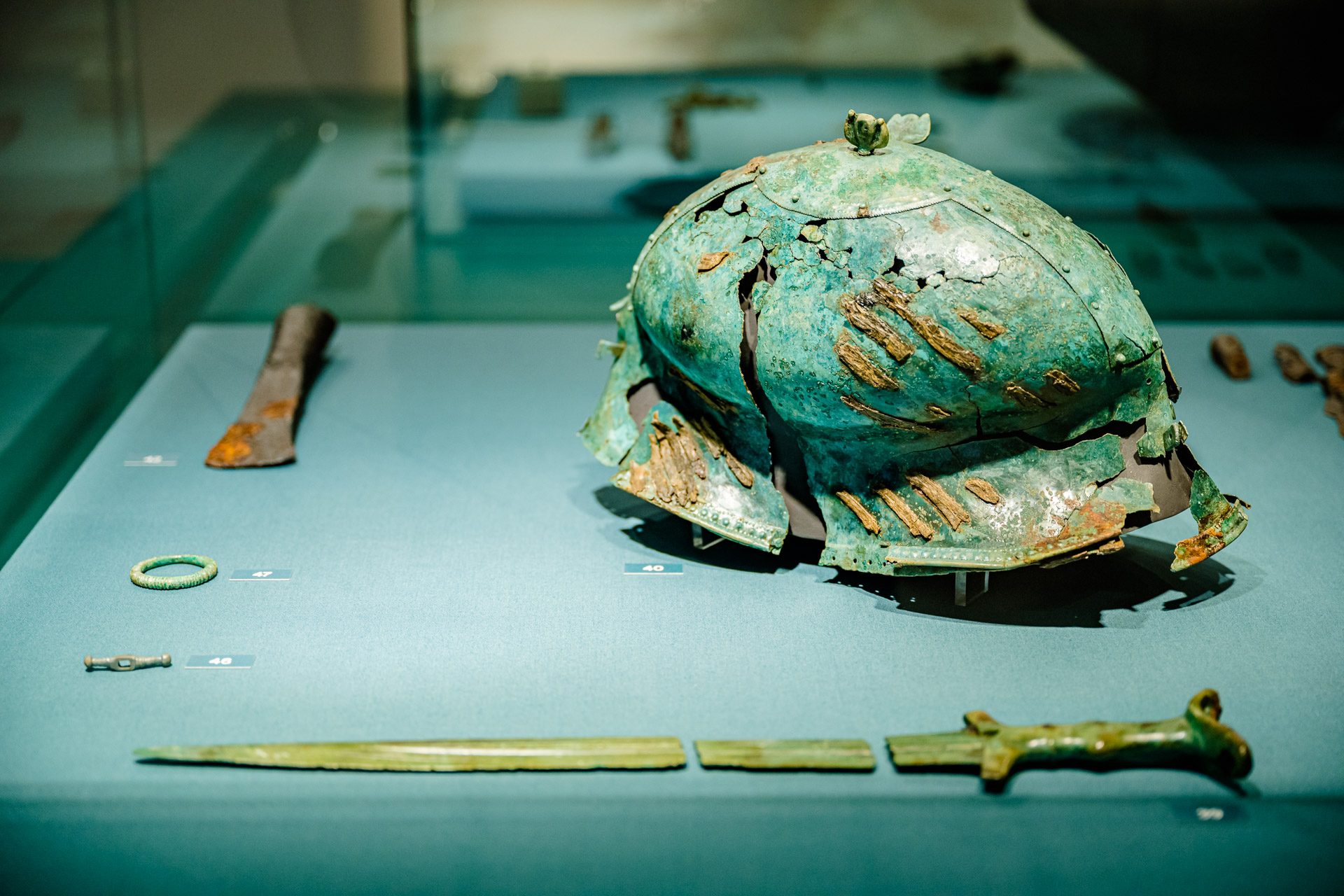
The first Upper Styrian archaeological museum houses some of the oldest objects from the history of the Murtal region.
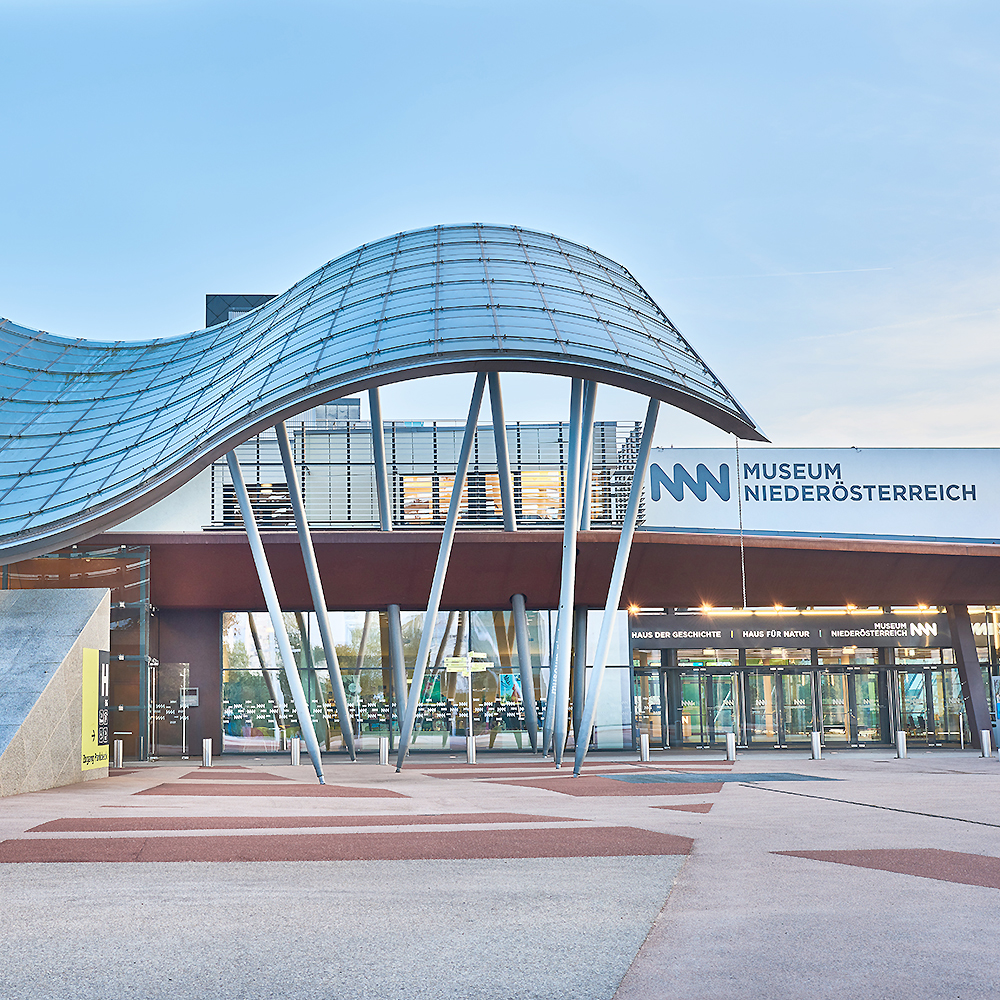
The Lower Austria Museum is not only a museum, but also a zoo with over 40 living animal species and represents the connection between people, nature and climate, where knowledge is imparted in a playful and inspiring way.

Awarded the Austrian Museum Prize for its rich collections, accessible facilities and successful presentation, the Pfeilburg is home to urban and contemporary history.
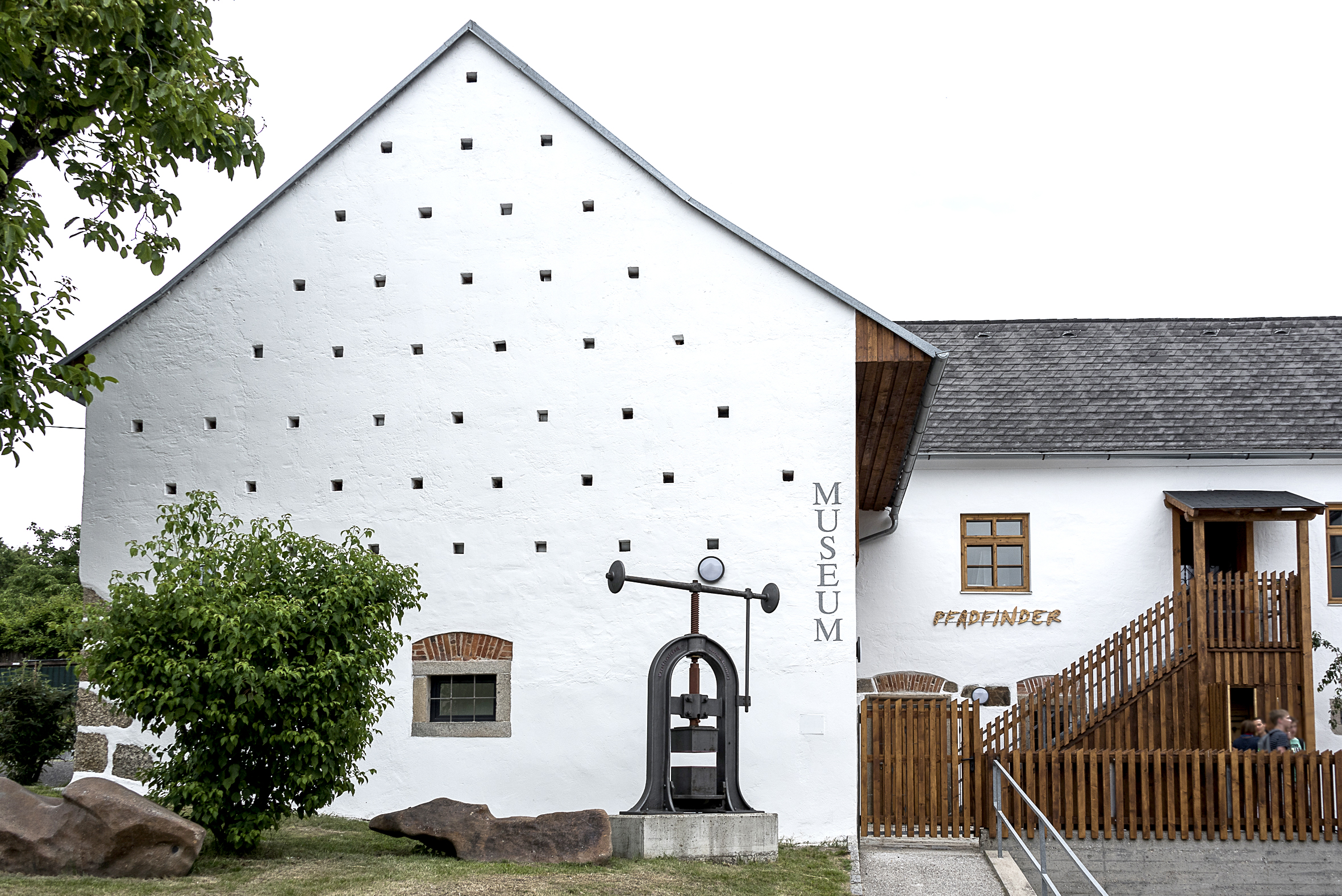
The regional museum displays products from the first Austrian stoneware factory in Pregarten, trade and industry in the region, finds from Late Bronze Age burial mounds, and regular special exhibitions.
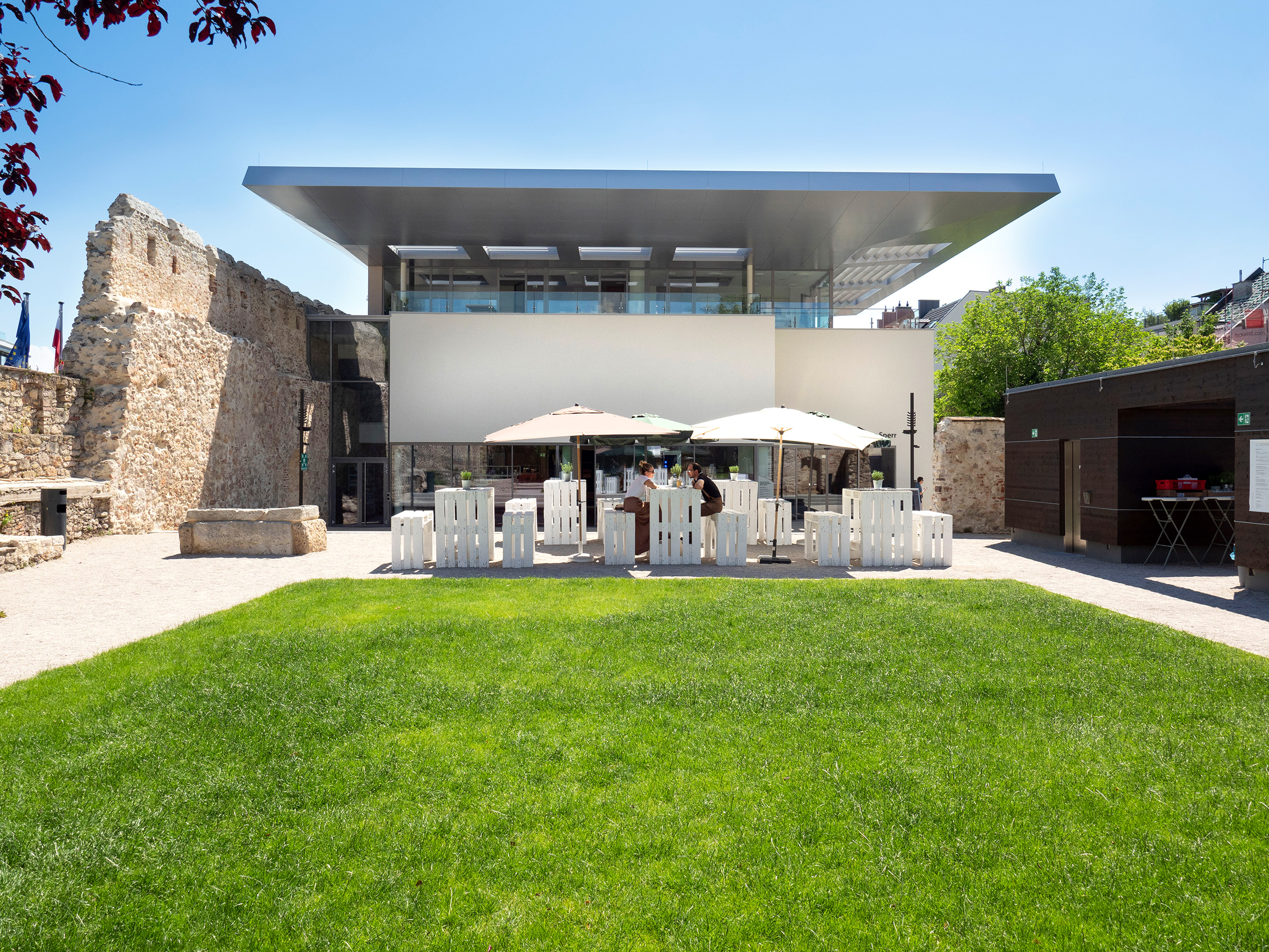
The extensive collection in the rooms of the former Dominican monastery and in the modern extension provides a multimedia overview of the city's more than 800 years of eventful history.
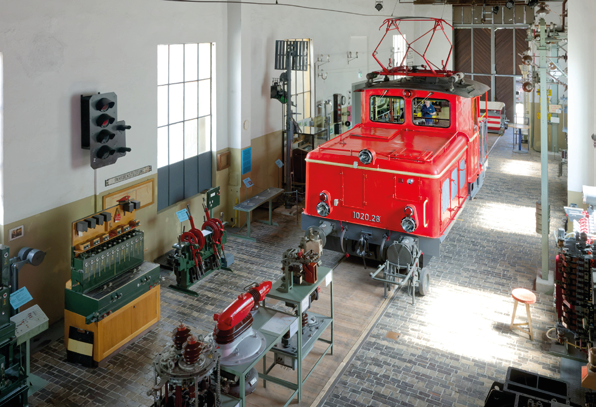
The history of the Tauern Railway is used to convey the importance of the railway for Europe, but also for the regions touched by the railway line, and to provide an insight into the technology, organization and people involved in the railway.
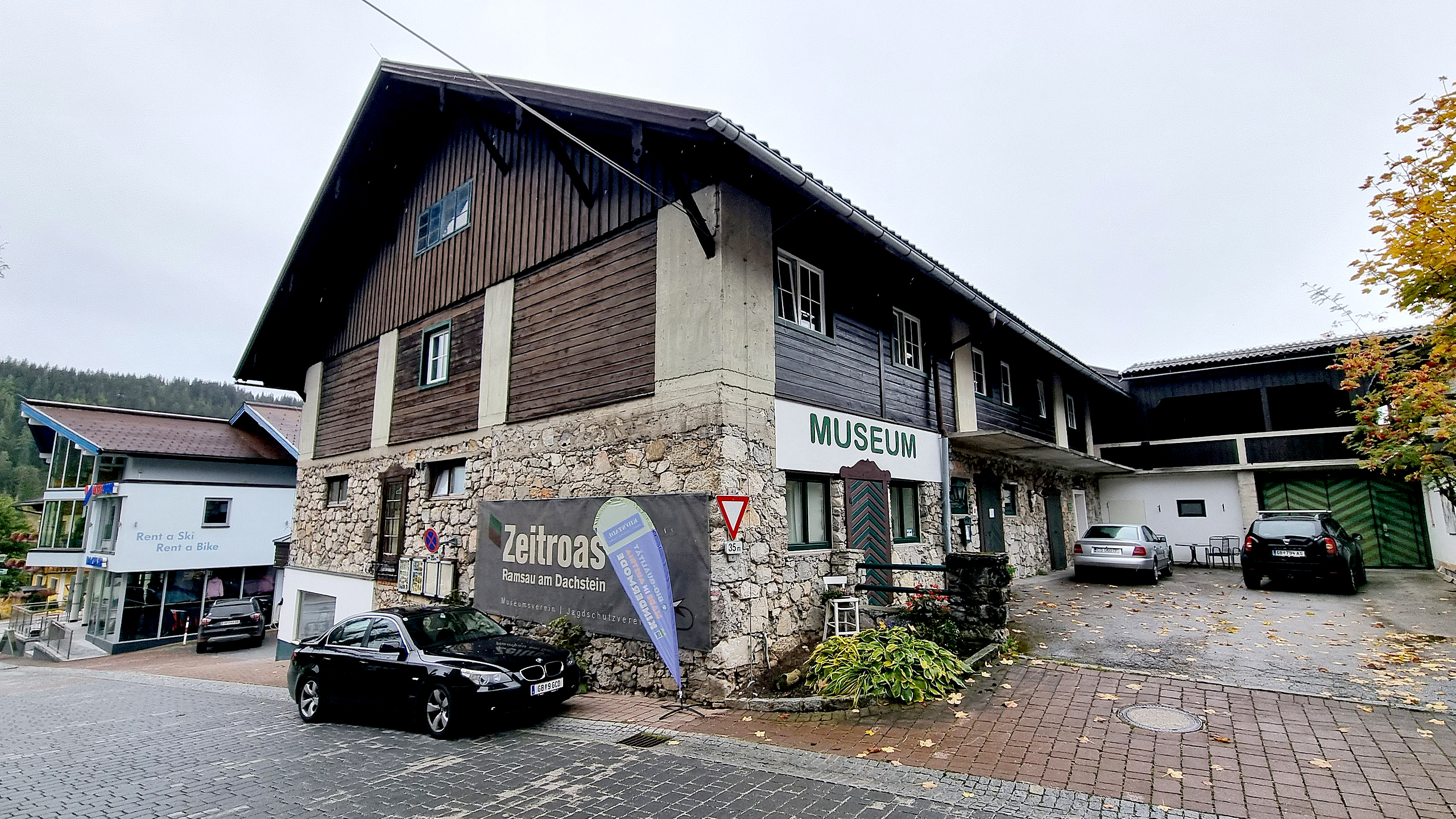
Housed in the old Pehabstall in the town center, the local museum, covering an area of approximately 300 m², provides an overview of the history of the community, in particular the history of mountaineering and the Dachstein ascents, the Reformation and Counter-Reformation, and hunting and rural culture.