
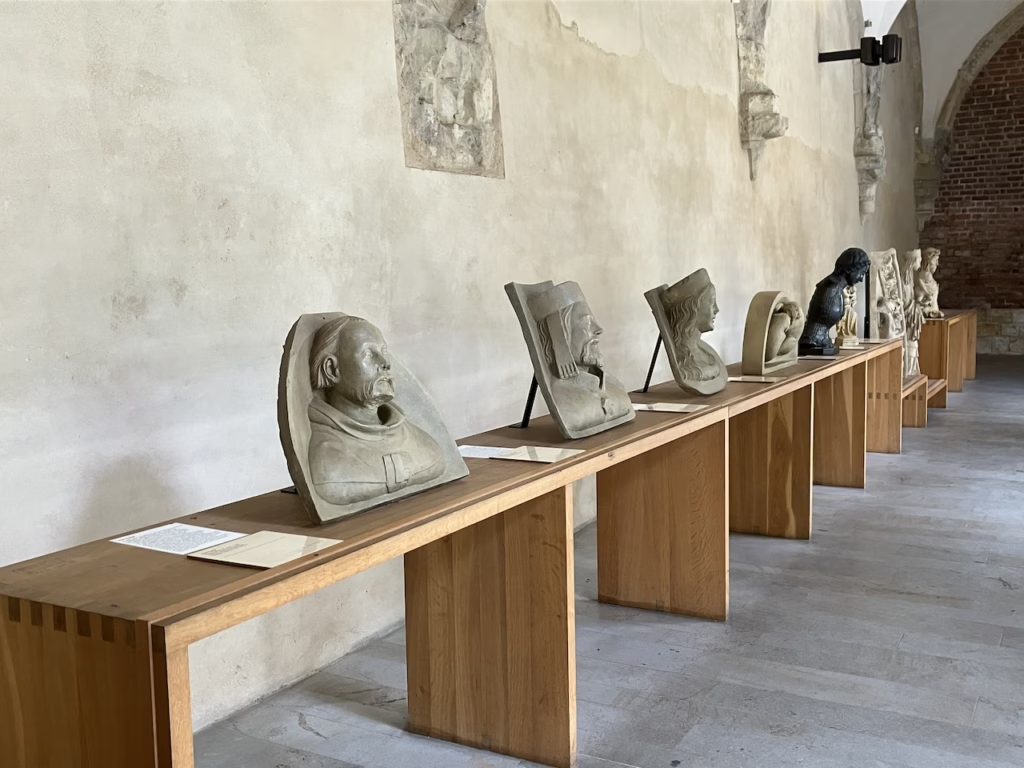
Always worth a visit: Prague, the golden city, a UNESCO World Heritage Site since 1992, with its rich architectural and cultural heritage. A special highlight can currently be seen in the Convent of St. Agnes, a complex dating back to the 13th century: a tactile exhibition of twelve cast sculptures from the period between 1200 and 1550, which allows visitors to experience the stylistic evolution of sculpture over several centuries through touch.
The Convent of St. Agnes is one of the most important examples of early Gothic architecture in Prague. On the first floor of the convent complex, the Prague National Gallery displays medieval art from its collections, dating from 1200 to 1550. More than two hundred exhibits from the fields of painting, sculpture, and decorative arts are presented, documenting the evolution of form and function over three hundred years.
On the ground floor of the monastery, visitors can trace the stylistic evolution of sculpture over time using twelve cast sculptures designed to be touched. Arranged along a long table, the sculptures can be explored by touch, accompanied by explanations in Braille and stone samples from the different periods that served as materials for the sculptors. The presentation is primarily intended for blind people, but it also offers a unique experience for sighted visitors, as the act of touching the sculptures opens up new perspectives on medieval sculpture.


