 feature
GOODSGOODs – sustainable design gifts from sheltered workshops
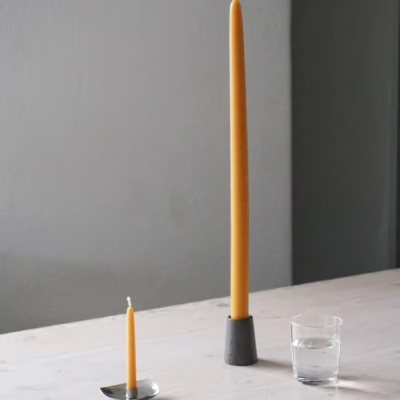
Meaningful design gifts for Christmas: GOODGOODs brings sustainable design products from protected workshops to the market at fair prices.
 feature
Meaningful design gifts for Christmas: GOODGOODs brings sustainable design products from protected workshops to the market at fair prices.
 feature
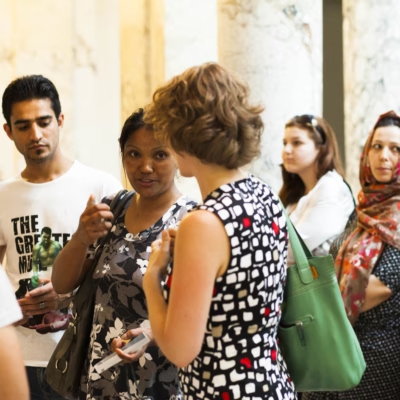
Culture buddies are volunteers who help overcome obstacles and attend an arts and culture event with individuals or small groups.
 feature
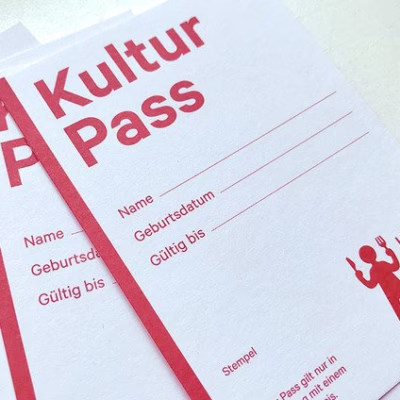
People with financial difficulties also have a right to art and culture. The culture pass makes it possible.
 feature
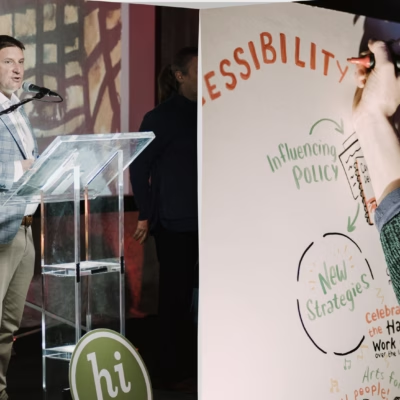
Creativity without barriers: Arts Access ID empowers artists with learning disabilities.
 appointment
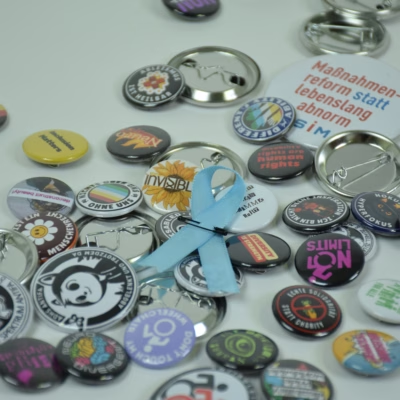
People with disabilities have always stood up for self-determination, both today and in the past. The Disability History Action Day is on June 6th.
 appointment
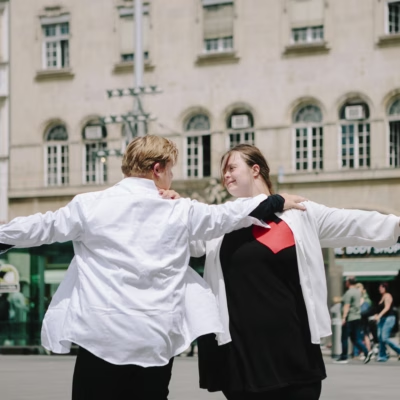
On December 3rd and 5th, 2025, the Kultur Inklusiv network invites everyone to two days of inclusive art and culture in Graz.
 News
News
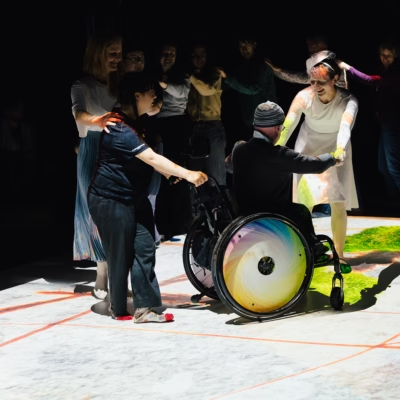
The new dance theatre piece „Pop-Up-Garden“ recently premiered at Salon Stolz in Graz – a poetic piece for children and adults about courage, friendship and the power of new beginnings.
 feature
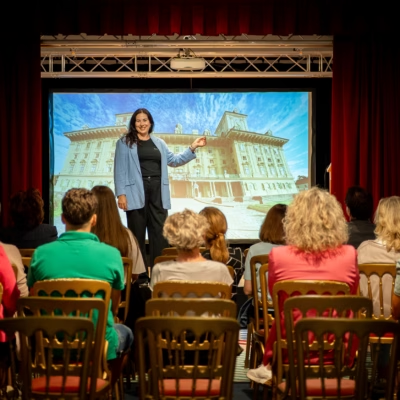
This Zero Project Awardee demonstrates how accessibility is possible even in old buildings – and serves as a model for other museums.
 News
News
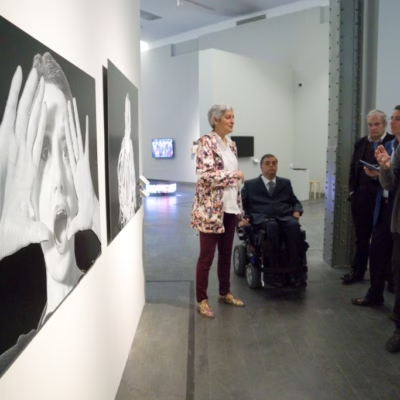
Esterhazy Palace has come up with an innovative idea: “Seated tours” are now available for people with limited mobility.
 feature
This Zero Project Awardee demonstrates how technology, creativity, and inclusion can work together to make art and culture accessible to all.
 News
News
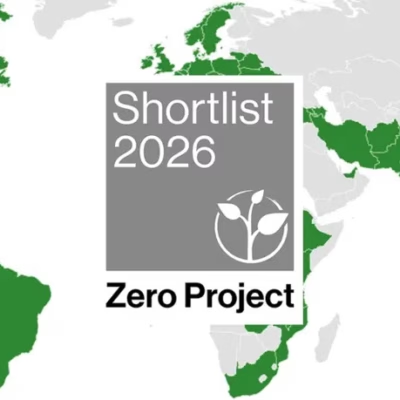
For the first time, the Zero Project Call for Nominations 2026 (#ZeroCall26) will recognize inclusive art initiatives as a separate category. Thirteen projects from Europe, North America, and South America have made the shortlist.
 appointment
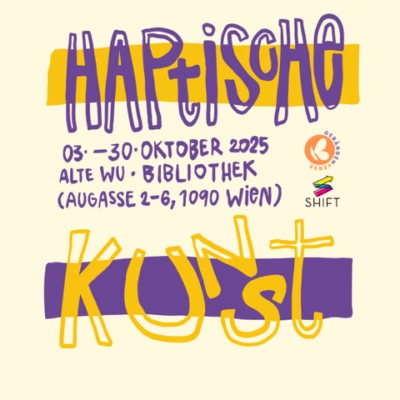
From October 3 to 30, 2025, the Gebärdenverse association is organizing an art exhibition by deaf-blind and deaf artists at the Alte WU, Augasse 2-6, 1090 Vienna.