 feature
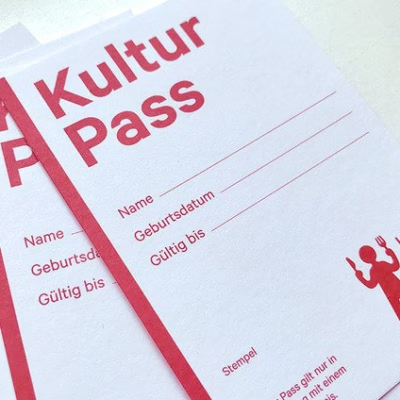
With the "Hunger for Art and Culture" culture pass, you get free entry to museums.
People with financial difficulties also have a right to art and culture. The culture pass makes it possible.
 feature
People with financial difficulties also have a right to art and culture. The culture pass makes it possible.
 feature
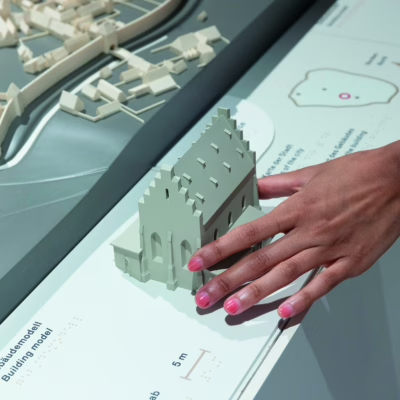
With its new multisensory exhibition concept, the Wien Museum, a Zero Project Awardee, demonstrates how museums can create genuine accessibility through co-creation and multisensory design.
 feature
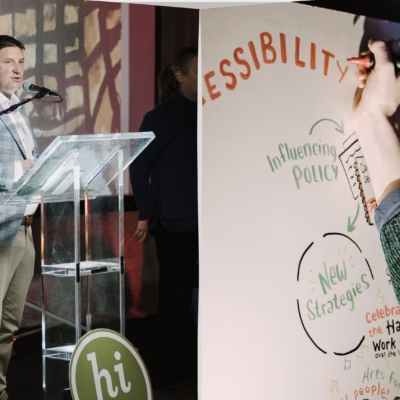
Creativity without barriers: Arts Access ID empowers artists with learning disabilities.
 feature
This Zero Project Awardee demonstrates how accessibility is possible even in old buildings – and serves as a model for other museums.
 feature
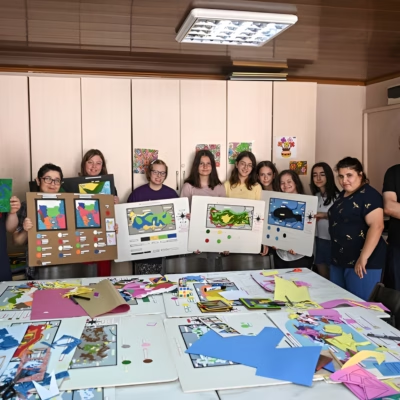
This Zero Project Awardee demonstrates how innovative learning materials make education accessible to everyone.
 feature
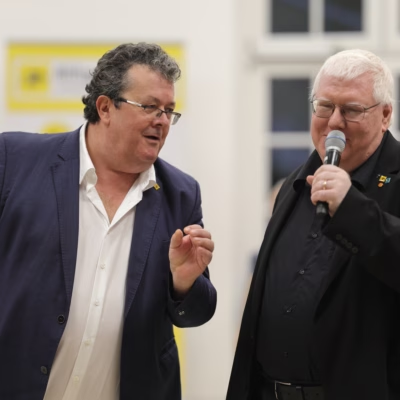
Since 1935, the Austrian Association for the Blind and Visually Impaired has been working to improve the living conditions of visually impaired and blind people.
 feature
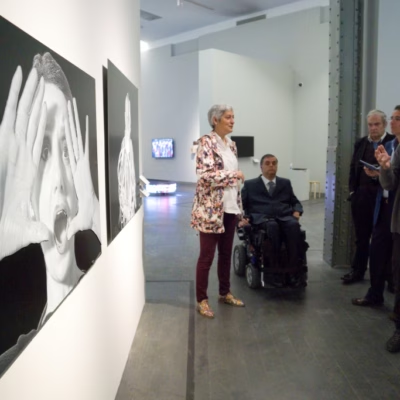
This Zero Project Awardee demonstrates how technology, creativity, and inclusion can work together to make art and culture accessible to all.
 feature
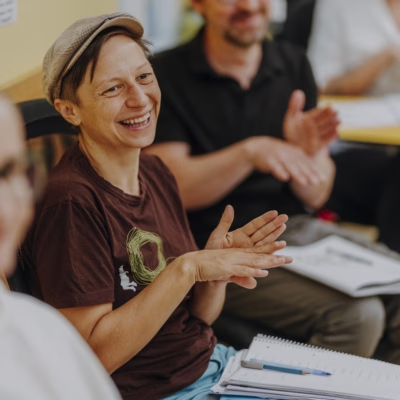
Equalizent, a training center in Vienna, offers accessible training and continuing education for deaf people as well as sign language courses for hearing people.
 feature
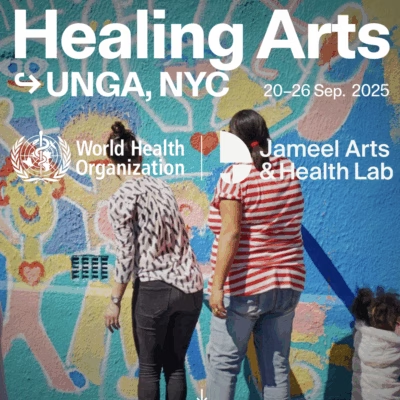
What if engaging with art were officially recognized as a health-promoting behavior?
 feature
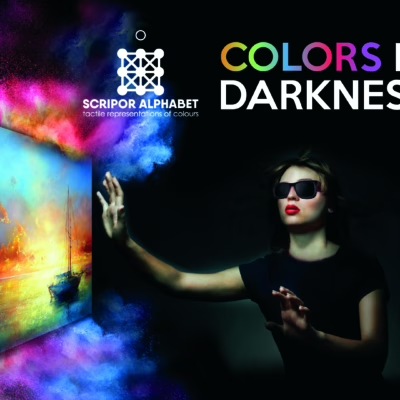
A Zero Project Awardee from Romania shows how innovation and standardization can break down barriers for blind and visually impaired people and make colors tangible.
 feature
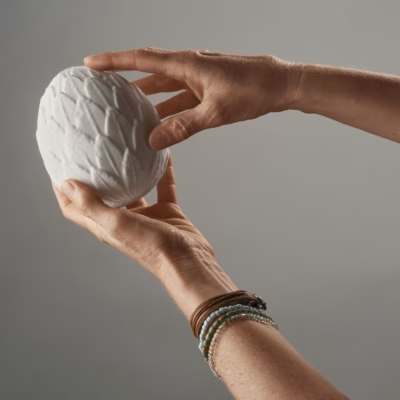
Accessibility and inclusion are important focuses at the Salzburg Museum – now also in the online collection.
 feature
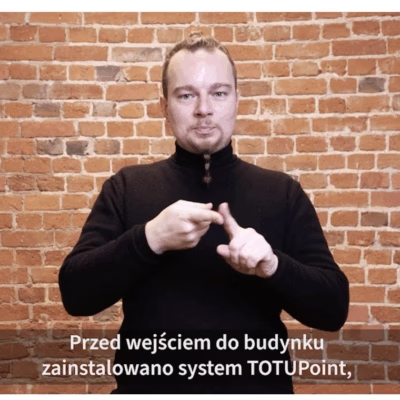
Accessibility is also an issue for Austrian culture abroad.