 News
News
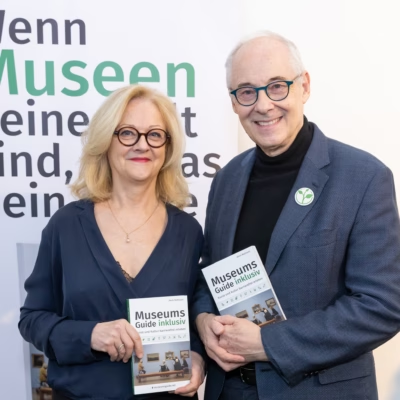
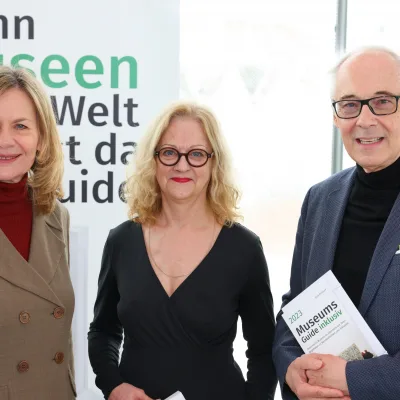
The second edition of the MuseumsGuide inclusive was presented
During the presentation of the new MuseumsGuide inclusive on January 9, 2025 at the MQ with a high-profile panel, the importance and uniqueness of this project was reaffirmed.
 News
News
During the presentation of the new MuseumsGuide inclusive on January 9, 2025 at the MQ with a high-profile panel, the importance and uniqueness of this project was reaffirmed.
 News
News
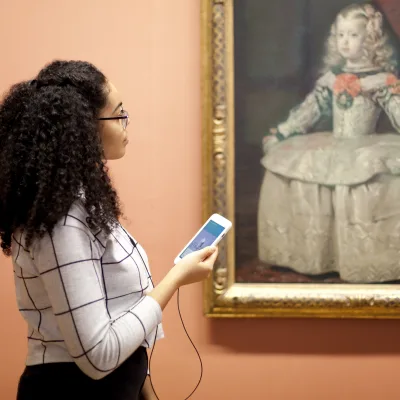
The Kunsthistorisches Museum in Vienna offers a low-threshold look beneath the surface of works of art and behind the scenes of the museum with its own app.
 News
News
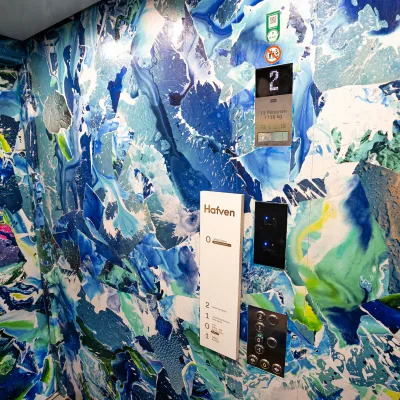
The fact that elevators are not just a means of transportation, but can also be unusual design objects with an experiential character, is impressively demonstrated in Hanover.
 News
News
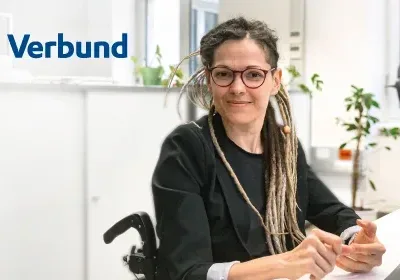
Art is diverse. People are diverse. Work is diverse. VERBUND is diverse.
 News
News
If you were previously looking for offers on accessibility and inclusion in museums, you had to do laborious research on the web or call the museum directly.
 News
News
The primary goal of elevator operators is safety, whether in the Tyrolean State Museums, the Styrian Universal Museum Joanneum, the Vienna Belvedere or Ambras Castle in Innsbruck.
 News
News
Making art and culture accessible and tangible for everyone is a key objective for museums on the path to an inclusive society.