 feature
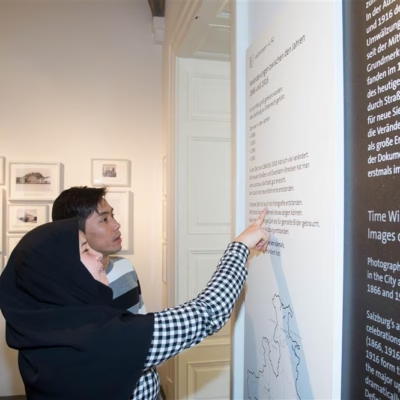
Easy language as a key to the exhibition at the Salzburg Museum
Complex texts in museums can become a barrier – especially for people with learning difficulties.
 feature
Complex texts in museums can become a barrier – especially for people with learning difficulties.
 feature
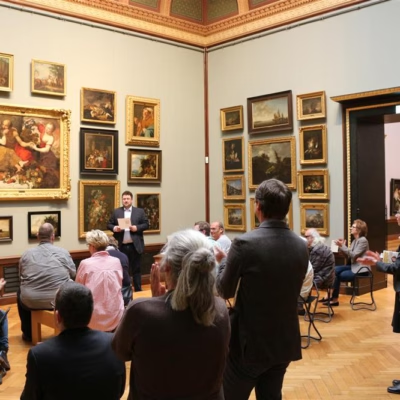
Since 2017, capito Mecklenburg-Vorpommern, together with the State Museum Schwerin (Germany), has been training people with disabilities to become art educators.
 appointment
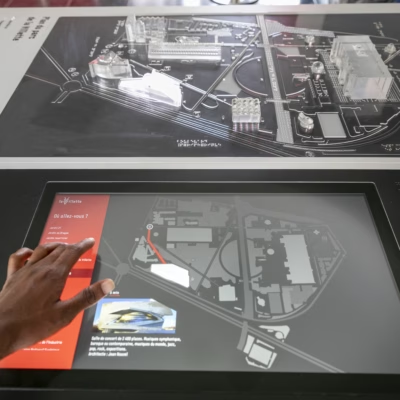
Each year, the Zero Project recognizes outstanding solutions that reduce barriers for people with disabilities – with an eye on innovation, impact, and scalability. In 2026, there will be a thematic focus on accessibility, including:
 feature
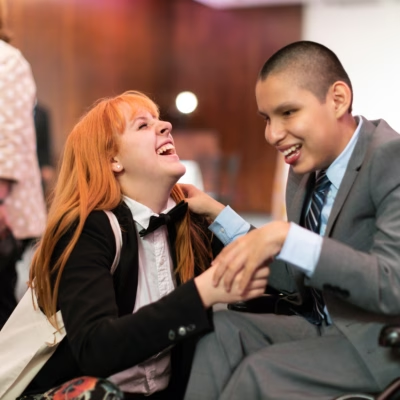
The Kennedy Center for the Performing Arts in Washington, DC
 feature
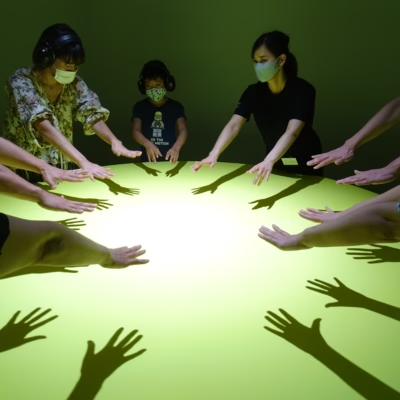
The Dialogue Japan Society operates the Dialogue Diversity Museum in Tokyo – a social entrepreneurial project that impressively demonstrates inclusion in the cultural sector.
 feature
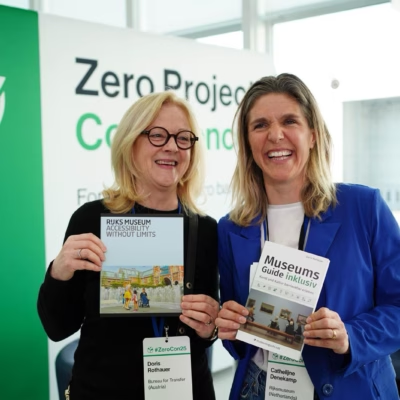
At the Zero Project Conference in Vienna's UNO City at the beginning of March, Doris Rothauer spoke with Cathelijne Denekamp from the Rijksmuseum Amsterdam about the museum's inclusion strategy.
 feature
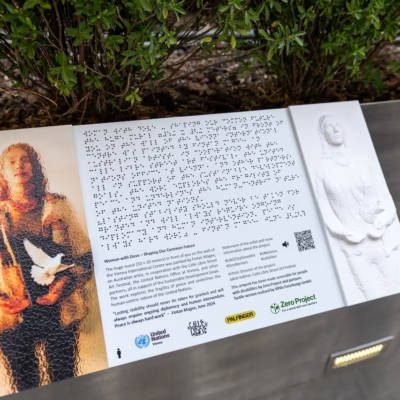
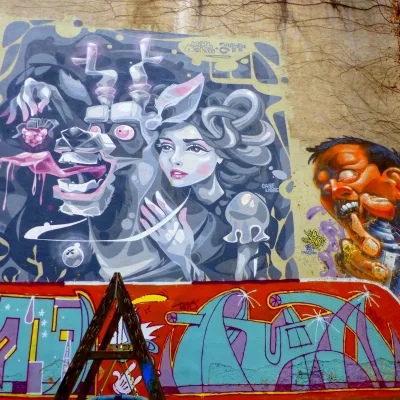
Zero Project also aims to make public art accessible to everyone. In 2024, additional important landmarks were created.
 feature
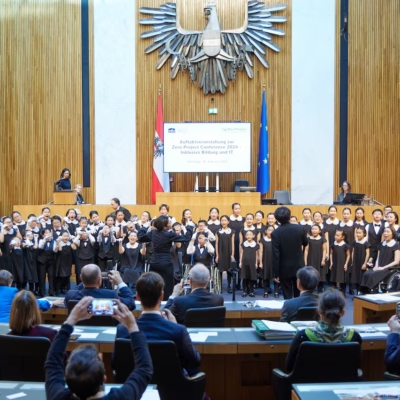
The Essl Foundation supports inclusive art projects and, with the Zero Project, is searching worldwide for innovations that enable people with disabilities to create and experience art.
 feature
(This article was translated into easy language by capito.) The Essl Foundation is an organization.
 feature
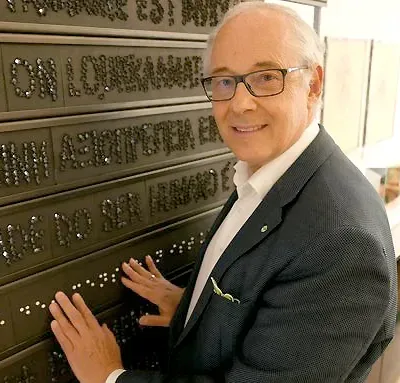
Museums Guide: Why do we need inclusive art education? Martin Essl: Because it's a legal right.
feature
According to the World Health Organization (WHO), 15 percent of the world’s population, or more than one billion people, live with a disability.